
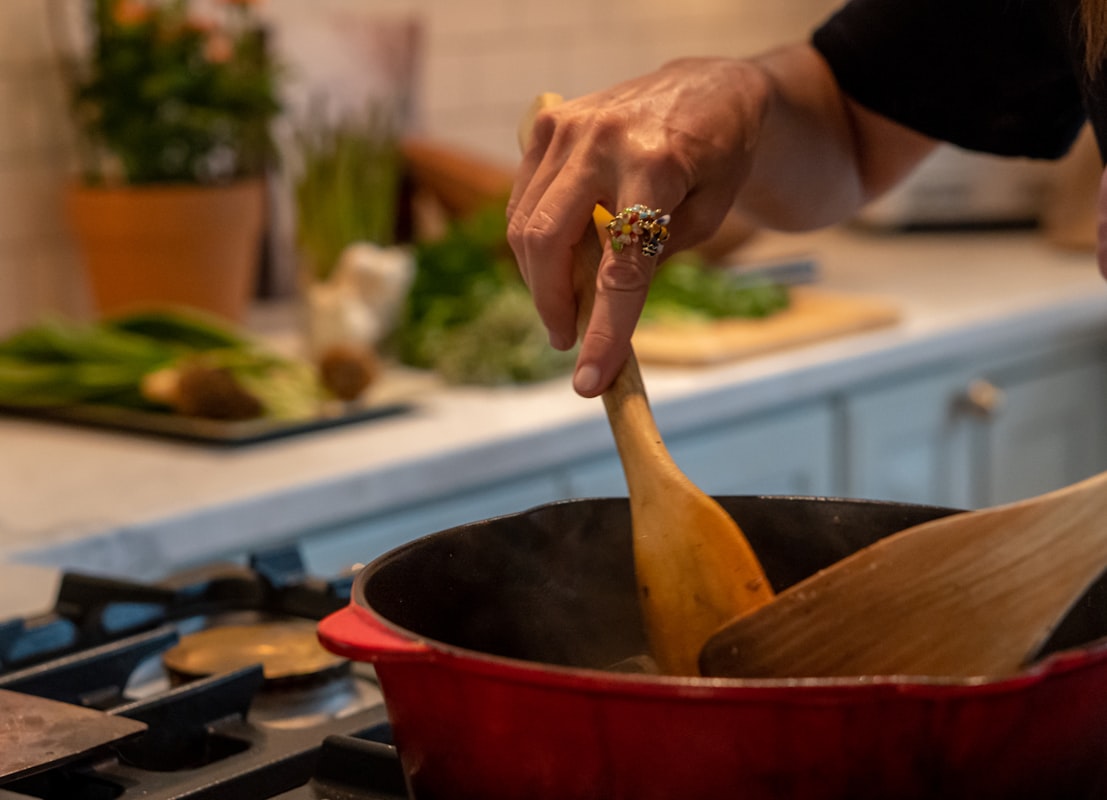
Cooking Without Sugar or Salt
Discover how to create vibrant, delicious meals using natural flavors, fresh ingredients, and proven techniques. Learn the art of building depth and complexity in your dishes without relying on sugar or salt.
Whether you're exploring healthier eating habits or simply interested in expanding your culinary skills, this comprehensive guide shows you that flavorful food doesn't require these common additives.
The information on this site is for educational purposes only and does not constitute medical advice. Always consult a qualified healthcare professional before making health decisions.
Steps to Healthy Flavor Building
Master the essential techniques for creating restaurant-quality dishes without sugar or salt additives.
Build Your Spice Foundation
Start with quality whole spices and herbs. Toast them to awaken their oils, then use grinding techniques to maximize flavor intensity. Cumin, coriander, cardamom, and black pepper become your primary flavor drivers.
Master Layering Techniques
Add spices at different cooking stages to create depth. Toast spices in oil first, build aromatics with garlic and onions, finish with fresh herbs. This strategic layering creates complex flavors that satisfy without salt or sugar.
Unlock Natural Umami
Use naturally umami-rich ingredients like tomatoes, mushrooms, aged cheeses, and fermented products to add savory depth. These ingredients provide the satisfying, savory notes your palate craves without any added salt.
Beautiful Sugar-Free Salt-Free Dishes
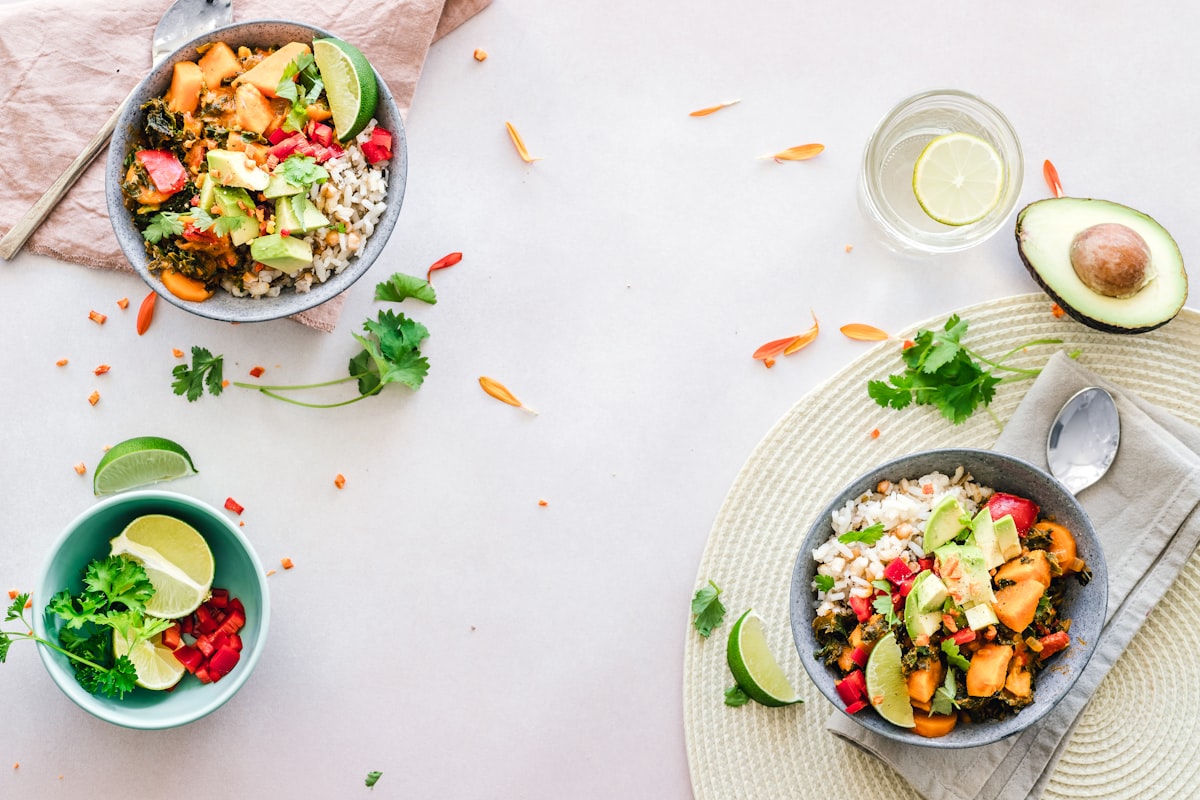
Visual inspiration from our recipe collection showcasing the vibrant colors and elegant presentations possible without sugar or salt.
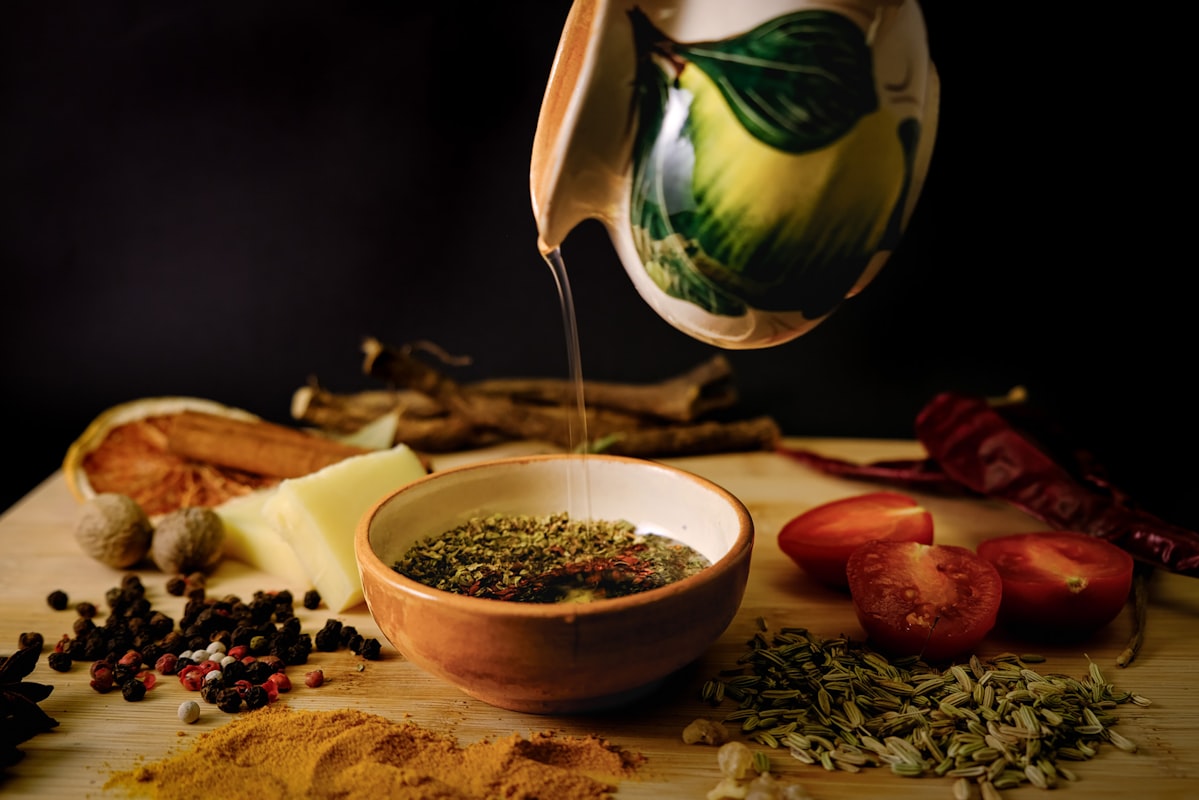
Spiced Vegetable Stir-Fry
Vibrant vegetables tossed with warming spices, fresh ginger, and garlic. The natural sweetness of carrots and peppers shines without any added sugar.
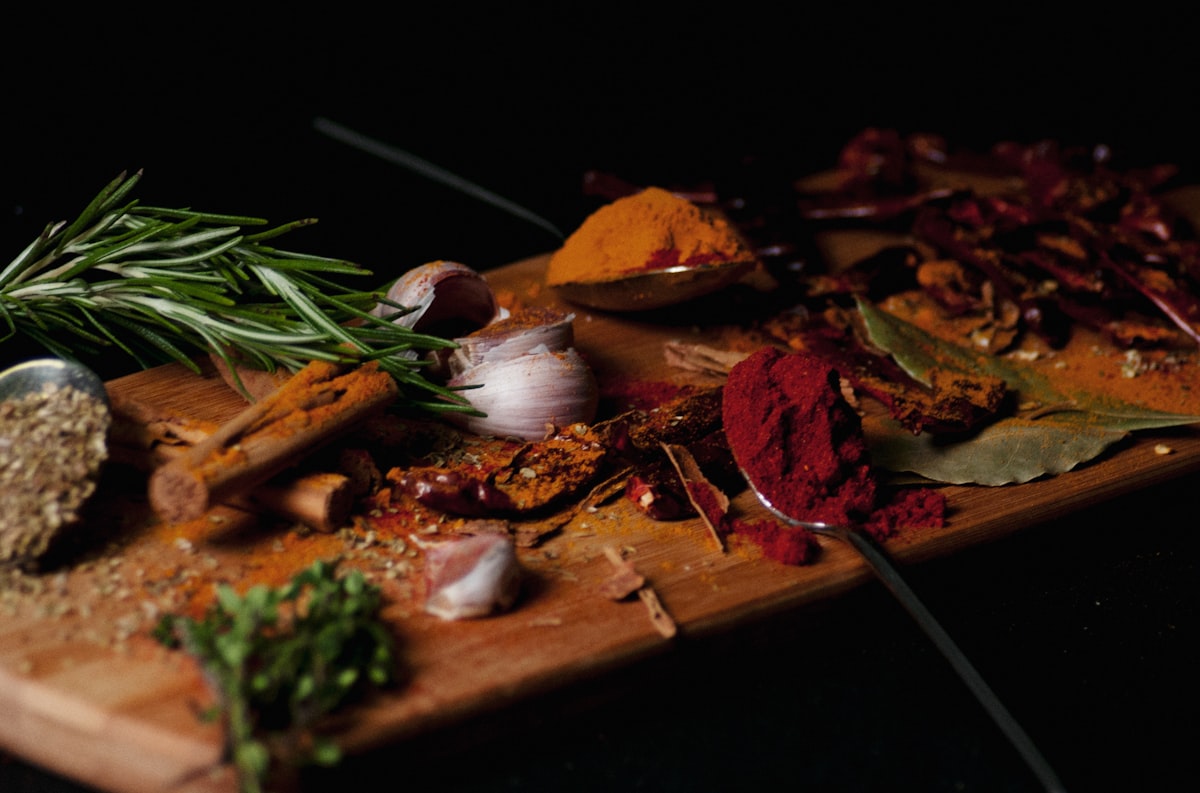
Herb-Crusted Salmon
Fresh salmon with aromatic herb crust, accompanied by roasted root vegetables. The fish's natural oils and umami combine with herbs for complex flavor.
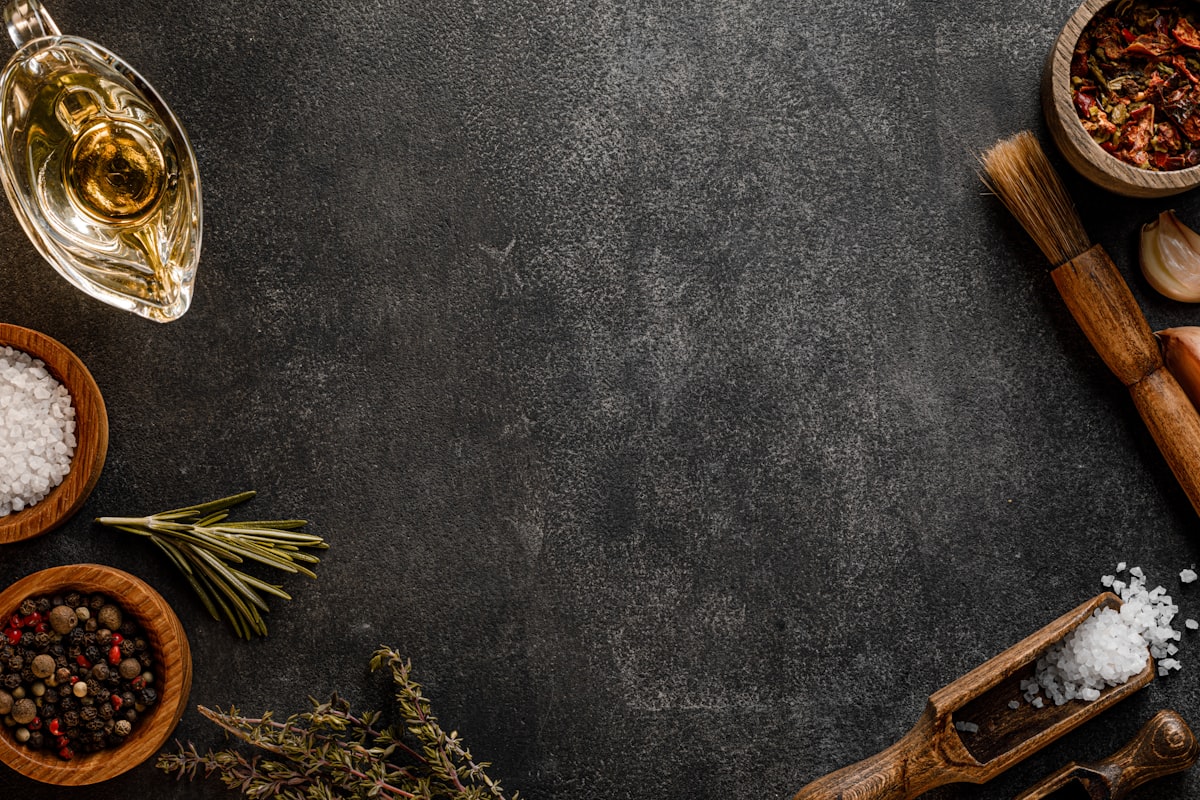
Golden Lentil Soup
Creamy, warming soup built on turmeric, cumin, and fresh spices. Lentils provide natural earthiness while coconut milk adds richness without added sweetness.
Grilled Vegetables with Chimichurri
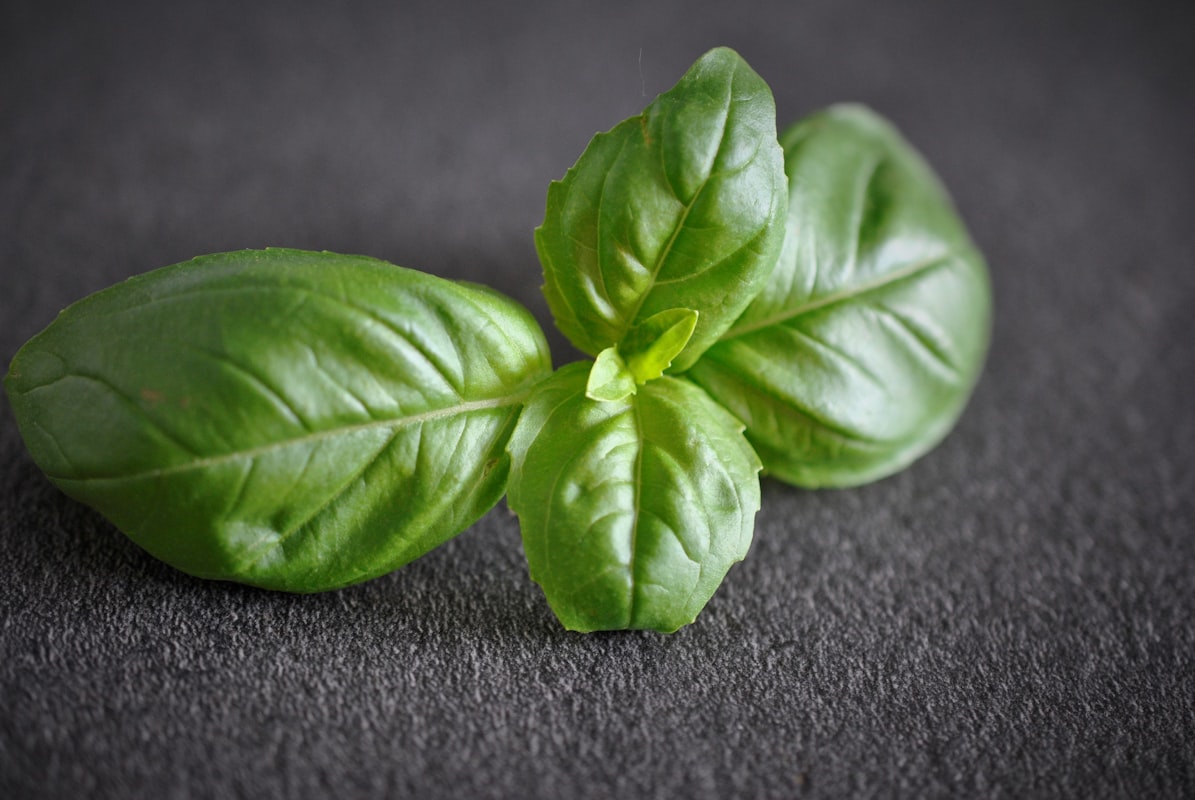
Seasonal vegetables charred to perfection, finished with vibrant herb sauce. Fresh parsley, cilantro, and garlic create bold flavor without relying on salt.
Why Eliminate Sugar and Salt?
Many people reduce or eliminate added sugars and salt for their own reasons—some explore dietary preferences, others develop new culinary skills, and many simply discover that food tastes better when you focus on authentic ingredients and proper cooking technique.
Understanding flavor science helps you realize that salt and sugar mask other tastes rather than enhance them. When you remove these masks, you unlock the natural sweetness of carrots, the depth of mushrooms, the brightness of citrus, and the complexity of properly toasted spices.
Discover True Flavors
Ingredients taste more vibrant and authentic when you're not relying on salt and sugar as flavor shortcuts.
Build Cooking Skills
Mastering spice blending, layering techniques, and flavor pairing makes you a more versatile and confident cook.
Enjoy Diverse Cuisines
World cuisines offer endless flavor combinations using spices, herbs, citrus, and fermented ingredients rather than salt and sugar.
Alternative Flavor Techniques and Tools
Explore the methods and equipment that help you create complex, satisfying meals without sugar or salt.
Spice Toasting
Dry-roast whole spices in a pan to release their aromatic oils. This simple technique dramatically intensifies flavor and creates the foundation for complex seasoning blends.
Caramelization
Cook onions, garlic, and vegetables slowly until their natural sugars develop deep, complex flavors. This creates richness and umami without any added sweetness.
Fermentation
Use fermented ingredients like miso, soy sauce alternatives, and pickled vegetables to add savory depth and complexity to your dishes.
Acid Balance
Citrus, vinegar, and other acids brighten dishes and make flavors pop. Acid creates the sensation of saltiness without any sodium, sharpening your palate's perception.
Fresh Herb Mastery
Use herbs at different cooking stages—toasted in oil, stirred into hot dishes, or finished fresh. Each method unlocks different flavor compounds.
Umami Pairing
Combine naturally umami-rich ingredients like mushrooms, tomatoes, cheese, and bone broth. Layering these creates savory satisfaction without added salt.
Common Questions About Salt-Free Sugar-Free Cooking
Find answers to help you get started with cooking without these common additives.
How do I make food taste good without salt?
Salt is often used as a shortcut to enhance flavor, but proper technique does much more. Start by toasting whole spices, building flavor layers with aromatics, using acid from citrus or vinegar, and incorporating naturally umami-rich ingredients. You'll find that properly seasoned food actually tastes more complex and interesting.
Can I still use sweetness in dishes?
Absolutely. We focus on avoiding added sugars, but the natural sweetness of fruits, vegetables, and spices like cinnamon or cardamom is encouraged. Many recipes use this natural sweetness to balance savory elements and create more interesting flavor profiles.
What spices should I stock first?
Start with versatile foundations: black pepper, cumin, coriander, turmeric, paprika, garlic powder (made from dehydrated garlic), and a selection of dried herbs like oregano, thyme, and bay leaf. Add to these as you explore different cuisines and discover what you enjoy.
How long does it take to adjust your taste buds?
Most people notice increased flavor sensitivity within 2-4 weeks of reducing salt and sugar. Your palate becomes more attuned to subtle spice notes, herb brightness, and natural ingredient flavors. Many home cooks report that their cooking skills improve significantly during this adjustment period.
Are there any cuisines that work well with this approach?
Actually, most world cuisines rely more on spices, herbs, and technique than on salt and sugar. Indian, Thai, Mexican, Mediterranean, and Middle Eastern cooking traditions all emphasize aromatic spices and fresh ingredients. These culinary traditions are perfect inspiration for building your own repertoire.
What tools do I need to get started?
You don't need expensive equipment. A heavy-bottomed pan for toasting spices, a grinder or mortar and pestle for fresh spice blends, sharp knives for precise cutting, and quality cookware will get you far. Most important is learning proper technique rather than purchasing gadgets.
Success Stories From Home Cooks
Hear from people who've discovered the pleasure of cooking without sugar or salt.
"I started exploring these techniques just out of curiosity, and I was amazed at how much more nuanced my cooking became. My family now comments on how flavorful our meals are. The spice toasting and layering methods have completely changed how I approach cooking."
Maria Popescu
Bucharest
4.9/5
"The recipe collection is incredible. Each recipe comes with detailed explanations of techniques, not just ingredient lists. I learned why acid balancing matters, how to toast spices properly, and how to build complex flavors. My cooking confidence has grown tremendously."
Alexandru Ionescu
Constanța
5.0/5
"What surprised me most was how quickly I stopped missing salt and sugar. Once you understand the flavor science and learn the techniques, it becomes second nature. The content here explains the 'why' behind everything, which made the transition smooth and enjoyable."
Elena Radu
Timișoara
4.8/5
Get Started With Our Recipe Collection
Explore detailed recipes, flavor-building techniques, and ingredient guides from Pureingredientschool. Each recipe includes step-by-step instructions and the reasoning behind each technique.
For questions about content or to share your own cooking journey, contact us.